
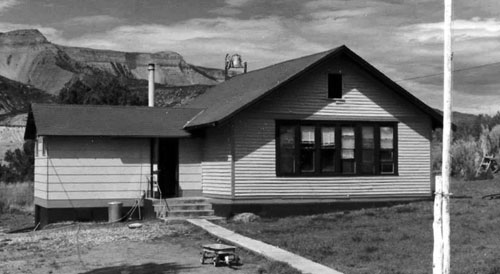
In 1977 I sat doodling at my desk in a one room school house near Aspen, Colorado. There was this nagging dream of becoming a cartoonist like Charles Schulz or Johnny Hart. A black character with a round head poured from my fine tipped Sharpie. A number of variations followed before adding a large half moon shaped smile. That was it. It was a cartoonist epiphany. I remember standing up to look at it. “That’s My Character!”, I thought to myself. The drawing moved straight to an English book with the idea of making a flip style animation using the corner of the text book. Immediately this presented a problem. Quickly the corner of the page was torn out and the drawing placed deep in a pocket. Later during a local television interview it was admitted that someone might see and copy the character. Once home from school I announced to my parents, “this is what I’m going to draw for a living the rest of my life!”. For an upcoming birthday I received a drawing table and t-square from an art supply store in Glenwood Springs, Colorado.
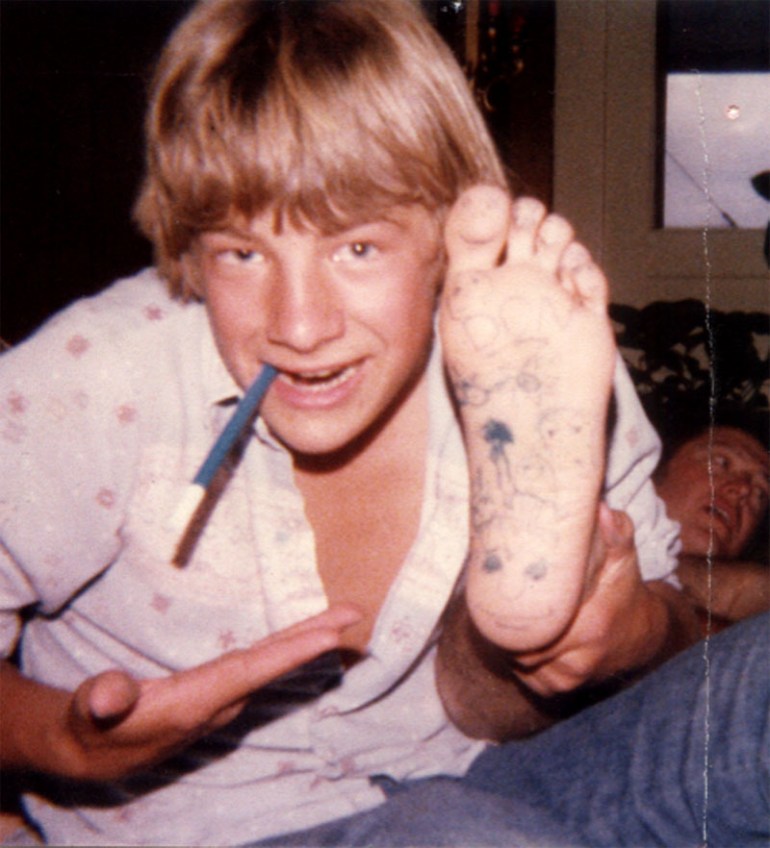
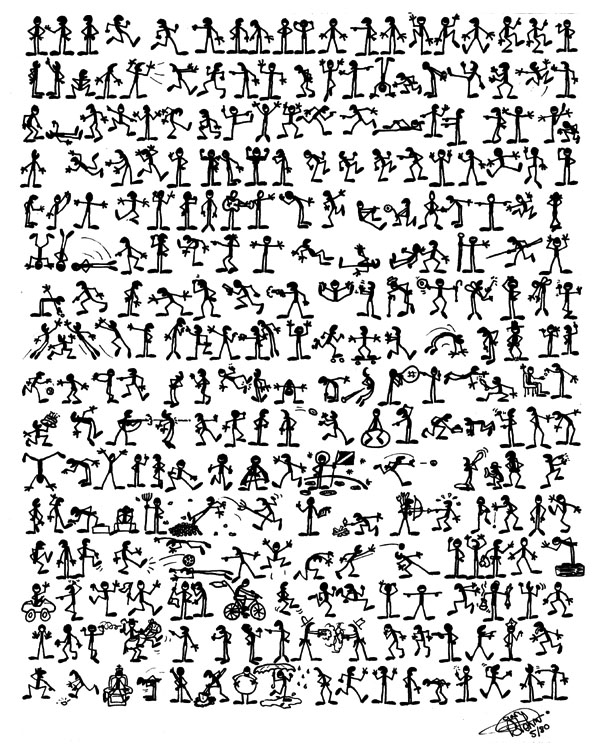
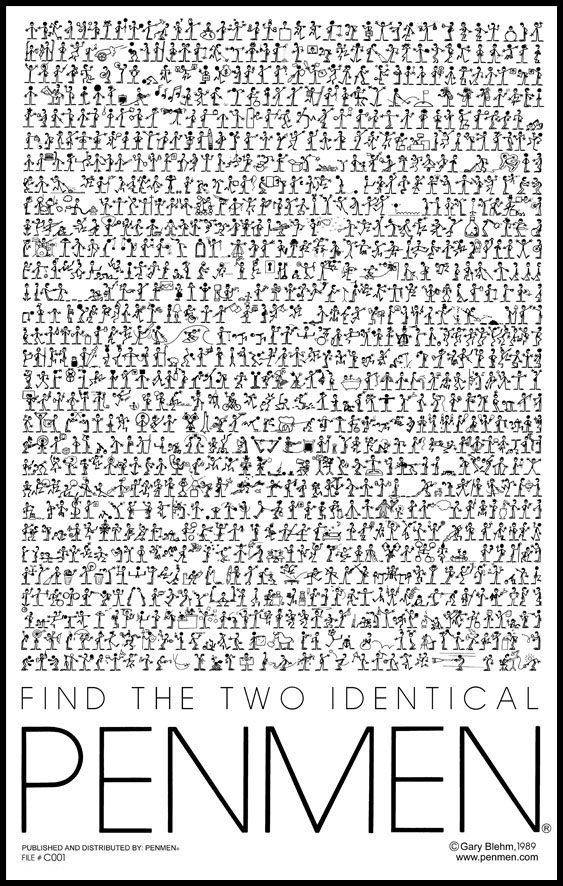
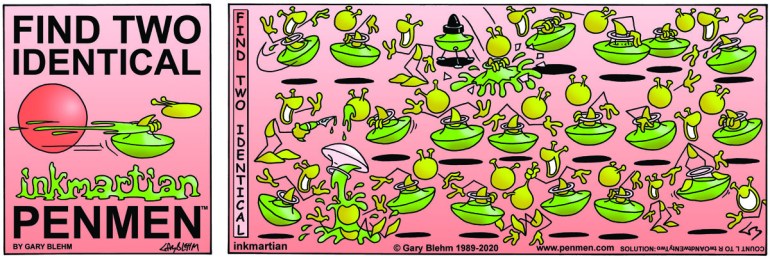
By 1980 I was thinking of ways to sell the cartoon character. He was drawn doing a lot of outdoor activities from my own life experiences growing up a Colorado country boy living on a ranch. That t-square was collecting dust. I chose a reasonable character height of 3/4 inch and began drawing ruling lines on a sheet of poster board. One character after the other was dawn on those lines. Each character was doing something different and the idea of making only two identical would make people look closer and longer at each individual drawing. They would see the characters interacting without words.
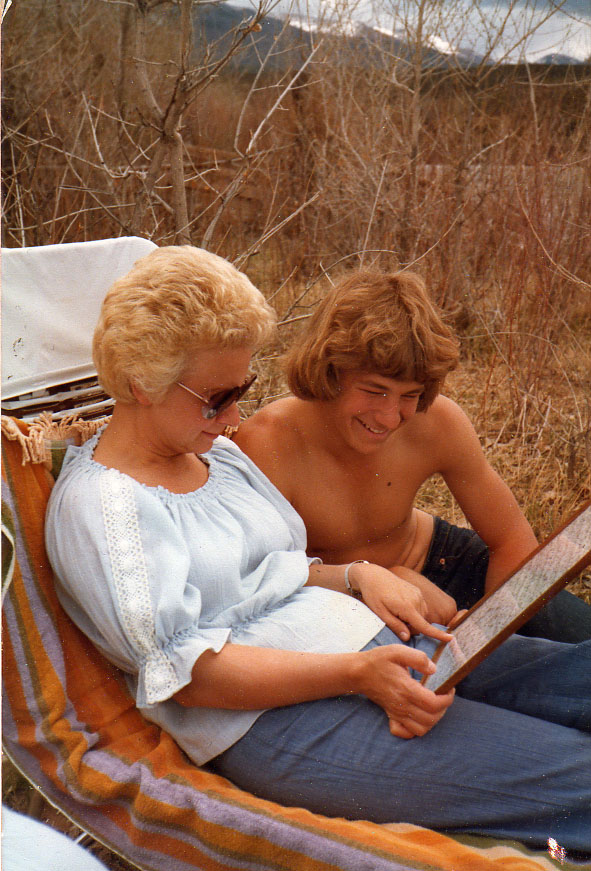
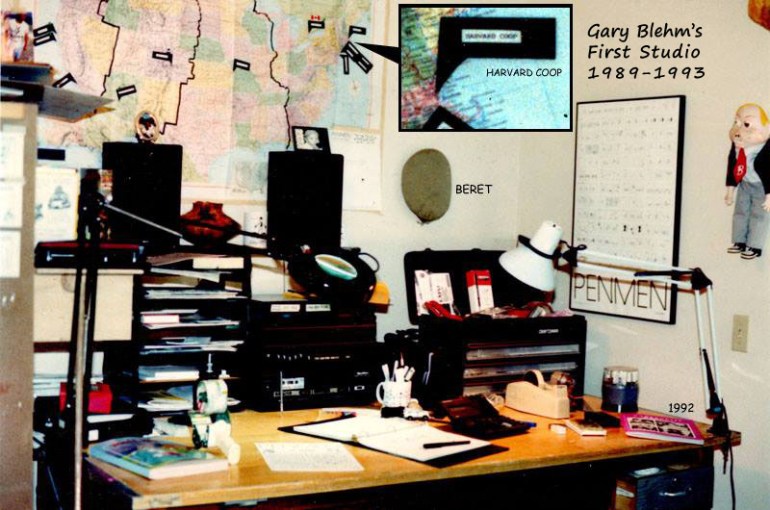
In 1985 I moved to Colorado Springs and set up my drawing in front of the apartment window looking out toward Pikes Peak. This poster would be much larger than that 1980 drawing. It would boggle the mind to imagine two identical. There was time to draw when not bussing tables at the Broadmoor Golf Club. Once completed I took it to the mall for framing and hung it over the drawing table next to the 1980 poster. Now I had a studio.

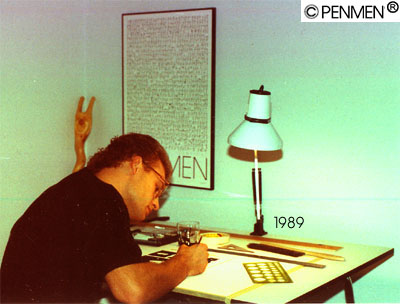
By 1988 it felt time to get started with PENMEN and start selling some posters. Technical pens on ultra smooth Bristol board became the tools of choice for the endeavor. Smooth clean lines was the look and feel necessary for credibility. The dream was like fire.

It seemed a good idea that before setting off on this grand poster adventure it might be wise to obtain some professional training. I enrolled in commercial art classes at the community college in Colorado Springs, Colorado and worked full time at the Broadmoor Golf Club while attending classes at night. Free time was spent working on the poster. It would take time and tip money was stowed away for the printing cost of that first publication in July 1989. By they end of the year PENMEN posters were selling nationally through Prints Plus stores common in shopping malls. 5,000 posters were sold by Christmas.

During those eventful first five months I created a pantomime comic strip under the same name “PENMEN” that ran in a weekly paper, “The City Comix”. It seemed clear while drawing the first poster that there was wordless interaction between the characters and they told short stories. The idea of a wordless comic strip syndicated nationally in newspapers would be complete the early dream of becoming a syndicated cartoonist like Charles Schulz and Johnny Hart.
Through the early 1990’s I produced more posters with various themes from music to golf and even comic strips arranged in columns on a 20 x 30 print. Then came a distributor in Canada followed by New York based Bruce McGaw Graphics who jumped on board adding 8 PENMEN posters to their catalog. In 1992 the original PENMEN poster was hanging prominently in their booth at the New York Art Expo and I was sure to attend.
With a new baby on the way in 1994 PENMEN needed to make some sales. American Arts and Graphics appeared in fine print on all the posters at WalMart so they were sent a tube of PENMEN posters with a cover letter explaining a good track record. The phone finally rang and they ordered 10,000 posters. We shipped them by train from the loading dock in back of the printer. Mission accomplished.

The PENMEN comic strip was submitted to the top five newspaper syndicates through those early years. There were a few local television interviews and poster signing events at this time until one day a hand written letter arrived from Harcourt Brace Jovanovich. From out of the blue they wanted to publish a trade paper back book of PENMEN. The posters had been discovered in a San Diego gift shop by an editor. It seemed a good idea to use the opportunity to push the comic strip rather than a book of hunt and search art like the posters. The publish date for the book was a whole year away so there would be time to create content.
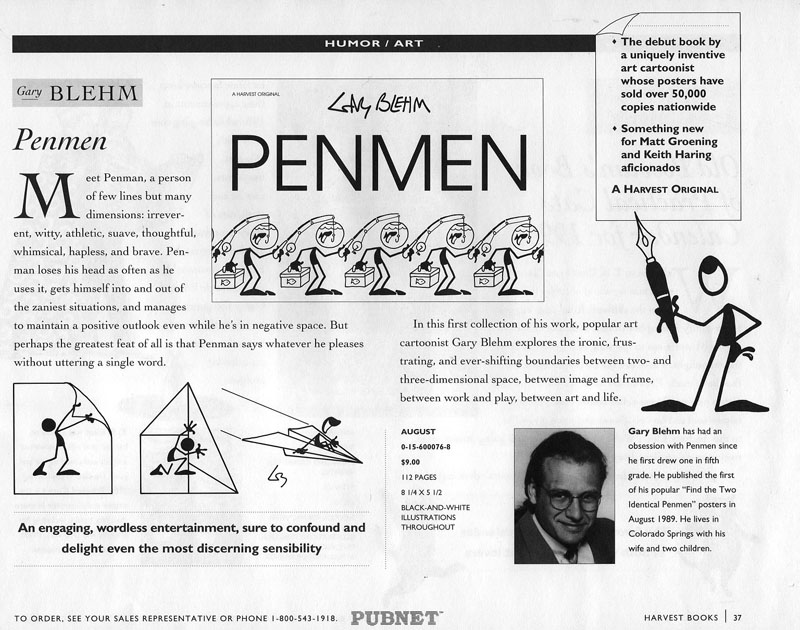
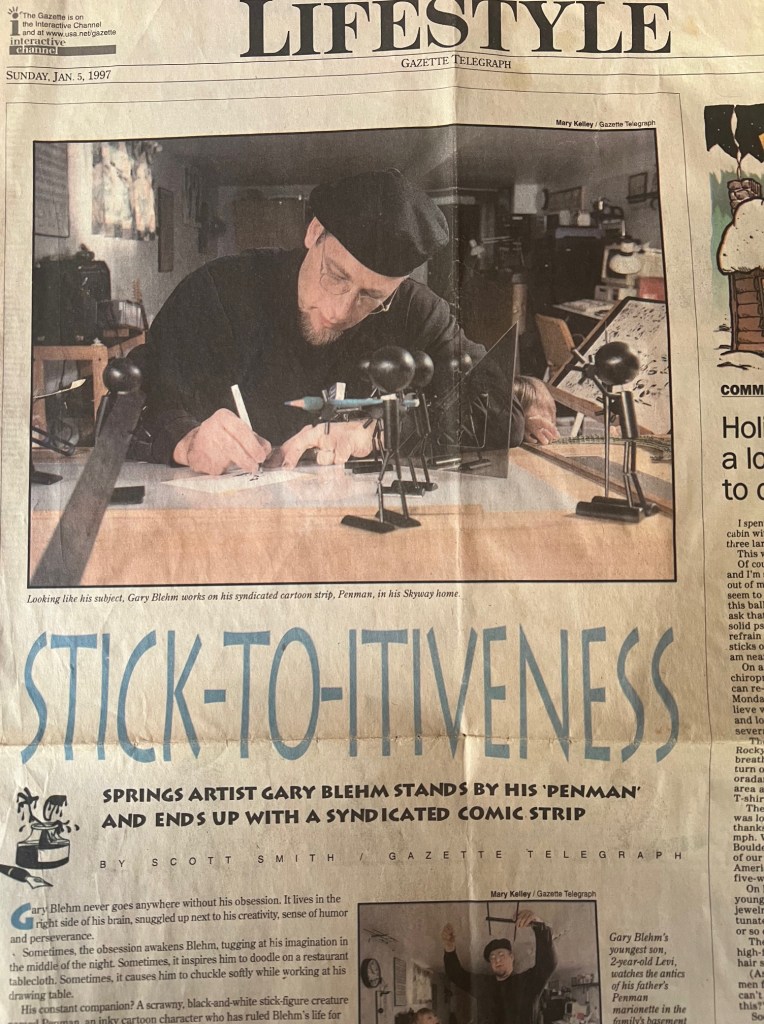
Finally in 1995 the PENMEN book was printed and published. I grabbed to phone and called the editor at the Gazette Telegraph. They knew me as Penman there. It wasn’t the first time I’d pounded on their door. I made the appointment and raced down to show off the PENMEN book explaining that the comic strip could finally get syndicated if it were running daily in the local daily paper. They agreed to pick up the feature and a new batches of PENMEN comic strips, television interviews on VHS, and a brand new book hot off the press were bundled up and sent off to the top five syndicates. The cover letter nearly demanded that after six years of submitting PENMEN it was time for syndication.

Raising two sons kept that cartoon feeling alive and well. It was a typical day when the phone rang while changing a diaper. The phone was propped between head and shoulder as a woman’s voice on the other end announced that Creators Syndicate wanted to launch the PENMEN comic strip nationally. It had taken six years to achieve.
The PENMEN Sunday feature was a color version of the popular posters. Each Sunday offered a different theme. Most of the themes were quite random while others would follow suit with holidays.

 Gary Blehm